
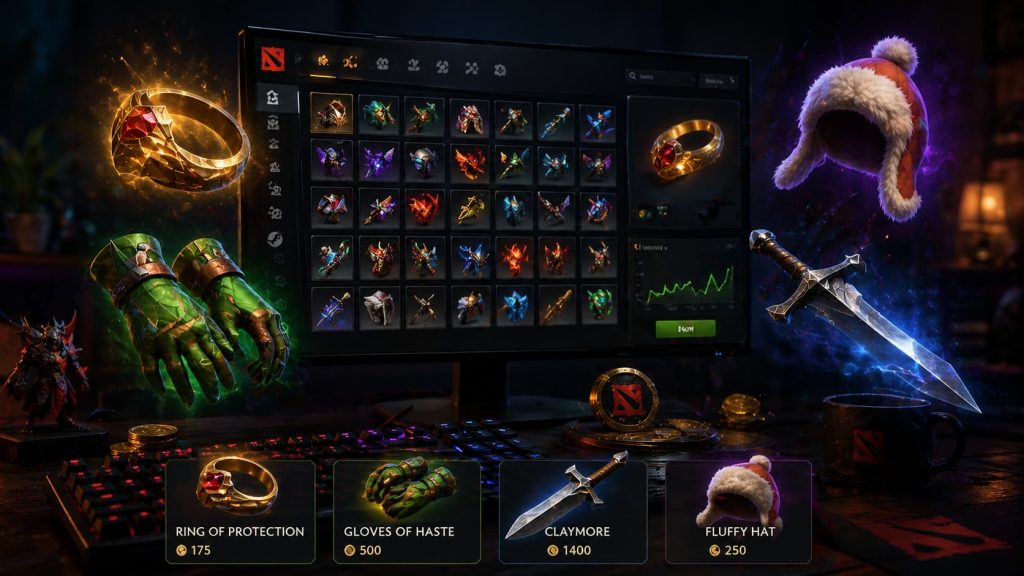
For many players of Dota 2, collecting cosmetics and rare items becomes part of the experience. Over time, inventories fill up with Arcanas, Immortals, treasure rewards, event exclusives, couriers, loading screens, and hero-specific cosmetic sets. Some players hold onto these items for sentimental value, while others eventually realize that a large inventory can also represent real monetary value.
Selling Dota 2 items has become increasingly popular among players who want to clear unused inventory, cash out rare cosmetics, or simply trade up into better items. While the process may seem straightforward, there are several important factors to understand before listing anything for sale. Pricing, platform choice, security, and timing all play a major role in how successful a sale will be.
Whether you are trying to sell a single cosmetic or an entire inventory, understanding how the Dota 2 trading ecosystem works can help you avoid mistakes and maximize value.
Understanding the Dota 2 Item Economy
Dota 2 has one of the largest cosmetic economies in gaming. Unlike games that lock cosmetic purchases to individual accounts, many Dota 2 items can be traded or sold between players. This creates a market driven by supply and demand.
Certain cosmetics become valuable because they are no longer obtainable. Event-exclusive items from older Battle Pass seasons, discontinued treasures, or limited promotional rewards often rise in value over time.
The Dota 2 economy is closely connected to Steam, which acts as the central platform for item ownership and marketplace activity. Items exist inside a player’s Steam inventory, meaning that selling usually happens through Steam-supported systems or approved third-party trading environments.
Demand plays a major role in pricing. Popular heroes often maintain stronger cosmetic markets than less-played characters. Cosmetics for heroes like Pudge, Invoker, Juggernaut, Phantom Assassin, and Anti-Mage tend to attract higher demand because these heroes remain consistently popular.
The rarity system also influences value. Common cosmetic sets may sell for very low prices, while rare Immortals or Arcana items can reach significantly higher values.
Types of Dota 2 Items You Can Sell
Not every item in your inventory has equal value. Before selling, it helps to understand the categories of tradable cosmetics.
Common Cosmetic Sets
These are standard hero bundles that change armor, weapons, effects, or hero appearance. They are usually widely available and often sell for modest amounts.
Immortal Items
Immortal cosmetics feature custom spell effects, animations, and visual enhancements. Many Immortals maintain stable demand because they provide noticeable in-game changes.
Arcana Items
Arcana cosmetics are among the most prestigious items in Dota 2. They often include:
- Custom animations
- Voice effects
- Hero redesigns
- Special particles
- Unique icons and spell visuals
Arcanas tend to hold value better than standard cosmetics.
Couriers
Courier cosmetics have historically been highly collectible. Some rare couriers with unusual effects remain valuable because they are difficult to obtain.
Event and Battle Pass Items
Older Battle Pass cosmetics sometimes become highly desirable, especially when they are no longer available through normal gameplay.
Treasures and Chests
Some unopened treasures gain value over time. Players may prefer sealed treasures because they contain potential rare drops.
Collector’s Cache Sets
Collector’s Cache cosmetics are limited-time releases. Because availability is restricted, certain sets become increasingly valuable after events end.
Is Selling Dota 2 Items Legal?
Selling Dota 2 items is generally allowed within the boundaries of Steam’s marketplace system and approved trading rules.
Valve permits users to trade and sell items through the Steam Community Market. However, there are limitations. Steam wallet funds cannot be directly withdrawn into real cash. This means marketplace sales remain inside the Steam ecosystem.
Third-party marketplaces often allow cash withdrawals, which is why many players choose external platforms.
However, players should understand that Valve officially discourages risky off-platform trading arrangements involving untrusted individuals. This is primarily due to fraud, account theft, and phishing scams.
Trading itself is not illegal, but violating marketplace rules or using unsafe trading methods can put your account at risk.
Best Ways to Sell Dota 2 Items
There is no single “best” platform for every seller. The right option depends on your goals.
Selling Through Steam Community Market
The Steam Community Market is the easiest option for beginners.
Advantages
- Built directly into Steam
- Low risk of fraud
- Fast listing process
- Trusted environment
Disadvantages
- Steam wallet balance only
- Platform fees
- Limited cash-out options
Steam works best for players who plan to reinvest earnings into games, cosmetics, or digital purchases.
Selling Through Third-Party Marketplaces
Many experienced traders prefer third-party websites because they offer direct cash withdrawals.
These marketplaces often provide:
- Lower fees
- Faster payouts
- Better pricing flexibility
- Wider buyer access
However, choosing a reputable platform is extremely important. Not all websites are equally trustworthy.
Before using any marketplace, research:
- User reviews
- Community reputation
- Security protections
- Withdrawal options
- Account verification requirements
Selling Directly to Buyers
Some traders prefer direct player-to-player sales. This method may offer higher profits because no platform fee is involved. However, direct sales also come with the highest risk. Problems can include:
- Chargebacks
- Fake payment screenshots
- Account impersonation
- Trade reversal scams
- Payment disputes
Unless you are highly experienced, direct trading should be approached carefully.
How to Prepare Your Inventory Before Selling
Preparation makes a major difference when selling items.
Review Your Inventory
Many players forget about rare or discontinued cosmetics sitting in storage. Spend time checking each item. Some cosmetics that originally seemed common may now have increased value.
Compare Market Pricing
Avoid guessing item prices. Instead, check current listings and historical price trends. Market values can fluctuate depending on player demand, patches, esports tournaments, and cosmetic popularity.
Identify Tradable Restrictions
Some Dota 2 items have trade cooldowns. For example:
- Recently purchased items may not be tradable immediately
- Gift-only items cannot always be resold
- Certain exclusives remain permanently account-bound
Understanding restrictions prevents listing errors.
Organize High-Value Items
If you plan to sell multiple cosmetics, separate expensive items from common inventory clutter. Rare items deserve more careful pricing and attention.
Step-by-Step Guide to Selling Dota 2 Items
Selling items becomes much easier when you follow a structured process. A step-by-step approach helps reduce mistakes and improves the chances of a successful trade.
Step 1: Enable Steam Guard Mobile Authenticator
Steam Guard provides additional account protection and is often required for smooth trading. Without it enabled, trades may experience delays or extra confirmation periods, making the selling process slower.
Step 2: Confirm Your Item Is Tradable
Open your inventory and check whether the item can be traded or listed on a marketplace. Some cosmetics display cooldown timers, meaning they cannot be sold immediately after being obtained or purchased.
Step 3: Choose Your Selling Platform
Decide what matters most to you before listing an item. Some players prefer Steam wallet credit, while others want real money payouts. Factors such as sale speed, payout flexibility, and profit margins should influence your platform choice.
Step 4: Research Pricing
Avoid setting prices randomly. Buyers compare listings quickly, and items priced significantly above market average may remain unsold for long periods. Pricing slightly below competing listings often improves visibility and encourages faster purchases.
Step 5: Create Listing Details
Provide accurate and complete listing information. Buyers appreciate transparency and are more likely to trust well-presented offers. Include details such as the item name, quality level, cosmetic category, and any special effects or rare attributes.
Step 6: Wait for Buyer Interest
Demand varies depending on item popularity and current market activity. Rare cosmetics may attract attention quickly, while niche or less desirable items can take longer to sell.
Step 7: Complete the Trade Safely
Always double-check trade confirmations before finalizing a transaction. Scammers sometimes modify trade contents at the last moment, so reviewing every detail carefully helps prevent costly mistakes.
What Makes Dota 2 Items Valuable?
Several factors determine how much a Dota 2 item is worth, and understanding them can help sellers price cosmetics more accurately.
Rarity
Limited cosmetics generally maintain higher prices because they are harder to obtain. Items that are no longer available through normal gameplay or past events often become more valuable over time as fewer copies remain in circulation.
Hero Popularity
Cosmetics for frequently played heroes usually experience stronger demand. A popular hero creates a larger pool of potential buyers, making it easier to sell related items at competitive prices.
Cosmetic Appeal
Visual quality plays a major role in pricing. Players often pay more for cosmetics that significantly change a hero’s appearance, animations, spell effects, or overall presentation in-game.
Event Exclusivity
Battle Pass items, Collector’s Cache sets, and seasonal rewards can become increasingly valuable after events end. Once these cosmetics are no longer obtainable, scarcity may drive prices upward.
Supply Levels
If many players own a cosmetic, pricing tends to remain lower due to high availability. Rare supply creates scarcity, which often increases demand and market value.
Competitive Scene Influence
Professional tournaments can temporarily affect cosmetic demand. When certain heroes become highly visible during major esports events, items related to those heroes may rise in popularity and price.
Common Scams to Avoid
The Dota 2 trading world attracts scammers because digital items have real value. Understanding the most common scams can help protect both your account and your inventory.
Fake Trading Websites
Some websites imitate legitimate marketplaces in order to steal login credentials or account information. These fake platforms often look convincing, which is why it is important to verify URLs carefully before logging in or connecting your Steam account.
API Scams
API scams are especially dangerous because they can silently interfere with trades. Scammers trick users into authorizing malicious API keys, allowing them to redirect trade confirmations without immediate detection. Many players do not realize what happened until their items are already gone.
Fake Middlemen
Some scammers pretend to act as neutral trade mediators during direct transactions. They claim to hold items temporarily to ensure a safe exchange, but in reality, they disappear after receiving the goods.
Impersonation Scams
Fraudsters may copy the profiles of trusted traders or well-known community members. Always verify Steam profile history, account level, friend lists, and trade reputation before completing any transaction.
Pressure Tactics
Scammers often try to rush buyers or sellers into making quick decisions. If someone pressures you to trade immediately or creates urgency without reason, proceed carefully. Legitimate traders rarely force instant action.
Tips to Sell Dota 2 Items Faster
Speed matters when you want quick inventory turnover. Selling Dota 2 items quickly often comes down to realistic pricing, timing, and choosing the right audience.
One of the most effective strategies is pricing items competitively. A slightly lower price than similar listings can attract buyers much faster, especially since many traders compare multiple offers side by side before making a decision.
Timing also plays an important role. Major Dota 2 tournaments and events often bring spikes in player activity, increasing interest in cosmetics and hero-related items. During these periods, more players are active in the marketplace, which can improve your chances of finding buyers.
Focusing on popular cosmetics can also speed up the selling process. Items connected to frequently played heroes usually attract more attention because there is a larger player base interested in upgrading their appearance.
It is equally important to avoid unrealistic pricing. Personal attachment to an item does not affect its market value. Buyers usually compare current listings, so prices should reflect actual demand and competition.
Finally, using trusted marketplaces helps increase visibility. Established trading platforms attract active buyers, which naturally improves the likelihood of selling items faster and more securely.
Should You Sell or Hold Dota 2 Items?
Not every item should be sold immediately. Some cosmetics increase in value over time, especially rare event items or discontinued collectibles that become harder to obtain. If you own cosmetics tied to older Battle Pass seasons or limited-time promotions, waiting may lead to higher returns as supply decreases.
However, holding items also carries risk. Demand changes over time, cosmetic popularity can fade, and newer alternatives may reduce interest in older designs. Market trends are not always predictable, which means some items may lose value rather than gain it.
Experienced traders often balance short-term sales with long-term investment strategies. Instead of selling everything at once, they evaluate which items are likely to appreciate and which are better sold while demand remains strong.
Mistakes New Sellers Make
Many beginners lose value because of avoidable mistakes when selling Dota 2 items. One of the most common problems is rushing into a sale without researching current prices, which often leads to underpricing valuable cosmetics. Platform fees are another factor that sellers frequently overlook, reducing final profit more than expected if not calculated in advance.
New traders are also common targets for scams, making security awareness extremely important throughout the selling process. Checking market trends is equally valuable, since prices can fluctuate depending on demand, player activity, and seasonal events. Selling during low-demand periods may result in lower returns than waiting for a stronger market.
Another frequent mistake is overpricing items. While sellers may believe their cosmetics deserve a premium price, buyers usually compare multiple listings before purchasing. Competitive pricing often improves visibility and increases the likelihood of a faster sale.
Turning Cosmetics Into Value
Selling Dota 2 items can be a smart way to convert unused cosmetics into value. Whether you want Steam wallet funds or real money payouts, understanding how the market works helps you avoid frustration.
The most successful sellers focus on preparation, security, and realistic pricing. Before listing any item, take time to research demand, compare values, and verify trade restrictions.
Dota 2’s item economy remains active because players constantly search for rare cosmetics, hero upgrades, and collectibles. With the right approach, selling your items can become more than just clearing inventory — it can become a strategic part of gaming itself.
Patience, awareness, and marketplace knowledge are often the difference between a bad trade and a profitable one.

