
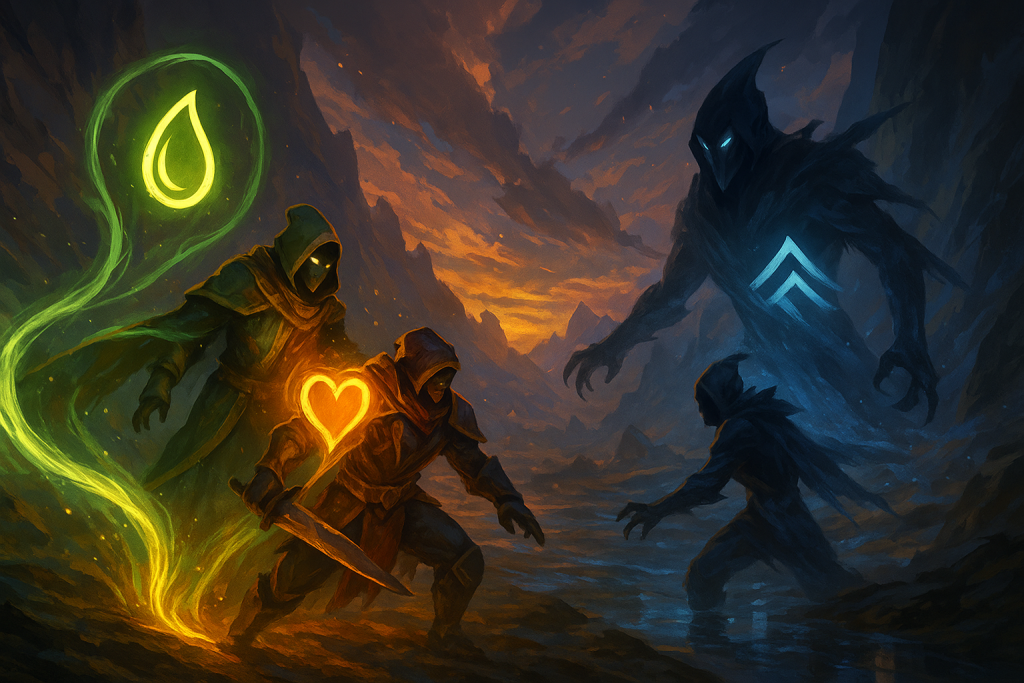
Dota 2 Patch 7.36 is one of the most significant updates the game has seen in years. Released in May 2024, it introduces two new systems—Innates and Facets—that completely change how each hero works from the very start of the match. Combined with a large number of hero changes, item updates, and a new chapter in the Crownfall event, this patch reshapes both casual and competitive play in a major way.
New Mechanics: Innates and Facets
One of the biggest features in 7.36 is the addition of Innate Abilities. These are new, passive abilities that every hero now gets at level 1. Some are brand-new effects, while others are modified versions of existing skills that now start slightly earlier and can be leveled more times than before. For example, some heroes get a minor boost to an ability they already had, while others gain completely new passives that change their early-game presence.
Alongside Innates, Valve introduced a system called Facets. Before the match begins, during the strategy phase, players must choose one of two unique “Facets” for their hero. Each facet offers a different direction for how the hero plays. These choices are hidden from the enemy team until the game begins, which adds a new layer of unpredictability to drafting. Depending on what facet you choose, your hero can become better at dealing damage, surviving in fights, or controlling the map. This gives players more room to personalize how they want to play the hero—even before the laning phase starts.
Together, Innates and Facets redefine what it means to pick a hero. You’re not just picking Shadow Fiend or Viper anymore; you’re picking one of several variations of that hero, each with its own strengths and weaknesses.
Gameplay Improvements and Small Changes
Beyond the two headline systems, 7.36 also comes with a range of small but helpful changes that improve the overall game experience. For instance, players can now see enemy mana bars by default, which helps in planning fights. Range indicators are easier to use and can stay on screen longer. Health bars are more dynamic and adjust to show the most important units more clearly.
Other small adjustments include changes to strategy time at the start of the game, which was increased slightly to give players time to choose their facets. Denying allied units with spells now grants experience, which helps supports and spellcasters level up more reliably. Courier speed is improved while at the fountain, and tooltips are clearer and more informative, especially when it comes to upgrades and passive bonuses.
These tweaks might seem minor on their own, but together they make the game feel smoother and more polished, especially for newer players or those returning after a break.
Crownfall Act II
Patch 7.36 also continues the ongoing Crownfall event. This part of the update brings a new overworld map, additional story content, and some fun additions like a fishing minigame. While this part of the patch doesn’t directly affect gameplay, it adds flavor and rewards for players who enjoy lore and cosmetics. Crownfall gives the patch some charm and keeps casual players engaged alongside the more competitive content.
Item Changes and Roshan Buff
Some core items also received attention in this patch. Sange, Yasha, and Kaya are now more expensive, and their combined forms cost more as well. To balance this, the stats they offer have been adjusted, making them slightly more specialized. For example, you might gain more cast speed or status resistance, depending on the item path you choose. This change encourages players to think more carefully about which version of these items best suits their hero and playstyle.
Another important change involves Roshan’s Banner. Now, when dropped, the banner grants nearby creeps invulnerability for two minutes, giving teams a powerful tool to pressure towers after winning a Roshan fight.
Hero Reworks and Meta Impact
Many heroes received updates to match the new Innate and Facet systems. Some heroes became significantly stronger in the early game thanks to their innate abilities. One of the most talked-about examples is Shadow Fiend, who now starts with bonus damage through his innate and can cast stronger Razes more often. As a result, he quickly became a dominant force in midlane.
Chaos Knight also gained strength, with his innate giving him extra illusions during fights and his facet allowing those illusions to become even more dangerous. This made him a top pick for carry players right after the patch.
Other heroes, like Viper, Techies, and Faceless Void, gained new playstyle options through their facets, making them more versatile and harder to predict.
Supports and offlaners were not left behind. Many received small buffs or talent changes that help them stay relevant throughout the game. The overall effect is that a lot of heroes previously considered weak or situational have been reintroduced into the meta in new and interesting ways.
Drafting and Strategy Shifts
Because of facets, drafting now includes a third layer of decision-making. Teams must not only consider hero roles and counters, but also how a facet will shape that hero’s in-game impact. This adds complexity but also more room for strategy and creativity.
One area where this complexity has caused problems is in the Ability Draft game mode. Since many facets and innates are tied to specific hero models, it’s become harder to balance Ability Draft fairly. This has led to some frustration among players of that mode, and it’s likely that Valve will issue adjustments in future updates.
In competitive play, the impact of Patch 7.36 was immediately felt. Pro teams began experimenting with facet choices that could shift the course of the game as early as the laning stage. Heroes with flexible or powerful facets rose in popularity, and players had to learn new ways to adapt mid-game.
The Community Response
Reactions to 7.36 have been mixed but passionate. Many players are excited about the possibilities that innates and facets bring to the game, especially the added depth and variation. Others are more skeptical, concerned about how hard it will be to balance so many new mechanics. There’s also some frustration from players who feel the game has become too complicated for casual users.
Still, most agree that the patch is ambitious and sets the stage for a new era of Dota 2. As with previous big updates, it will take time for the meta to stabilize and for balance patches to smooth out any overpowered strategies.
Patch 7.36 changes the game in ways we haven’t seen since the introduction of talents or neutral items. With every hero getting an innate ability and multiple facets to choose from, no two games feel the same. Add in updated items, new event content, and quality-of-life improvements, and you have a patch that pushes Dota 2 into bold new territory.
It may not be perfect, and there will surely be balance issues along the way, but there’s no denying that 7.36 has brought excitement and innovation back to the game. For veterans and new players alike, this is the perfect time to dive in and explore what’s possible.

