
Dota 2 and League of Legends are the titans of the MOBA genre. Both offer intense, strategic 5v5 gameplay, but cater to different types of players. While they appear similar on the surface, they diverge significantly in design, mechanics, community, and overall experience.
Dota 2 vs League of Legends – a detailed comparison of gameplay, mechanics, visuals.
Popularity and Player Base
League of Legends holds a clear lead when it comes to player numbers. With over 120 million monthly active users globally, it dominates the genre in reach and cultural impact. Riot Games has built a massive infrastructure around the game, ensuring constant visibility across regions. In contrast, Dota 2 operates on a smaller scale. Its monthly active user count hovers around 11 to 12 million, with peak daily users rarely exceeding 600,000. However, Dota 2 players tend to be more dedicated and invested in the game’s complexity, and the smaller community is often tighter-knit.
Accessibility and Learning Curve
League of Legends is more accessible by design. The interface is intuitive, the onboarding is beginner-friendly, and the gameplay systems are easier to grasp. New players can start enjoying matches with relatively little preparation. Dota 2, on the other hand, has a steep learning curve. From mechanics like creep denying and turn speed to more nuanced hero interactions and terrain influence, Dota demands more from its players upfront. It rewards patience and long-term mastery, but doesn’t offer much hand-holding along the way.
Gameplay Depth and Mechanics
While both games feature similar structures—three lanes, towers, jungle, and objectives—their mechanical differences are substantial. Dota 2 includes features like high ground advantage, day-night cycles, and item activations that fundamentally alter the way matches unfold. Every hero starts without shoes, and movement speed and positioning matter at a granular level. Items such as Black King Bar or Blink Dagger are game-changing tools that require precise timing.
League of Legends focuses more on fluidity and clarity. Champions are locked into clearer roles, abilities are easier to execute, and the pace of the game tends to be faster and more consistent. There’s less emphasis on manipulating the environment and more on coordinated teamfighting and lane control. Strategic depth exists in both games, but Dota’s complexity leans into the chaotic and unpredictable, whereas League opts for structure and control.
Visual Style and User Experience
Visually, the two games differ significantly. League of Legends uses a vibrant, cartoonish art style that prioritizes clarity and personality. Champions are highly stylized, with colorful abilities and sharp silhouettes. Dota 2, developed on the Source engine, opts for a more grounded, realistic aesthetic. The darker, more atmospheric design of Dota makes the map feel heavier and the stakes more serious.
This difference extends into sound design and feedback as well. Dota 2 often feels more intense and dramatic, while League tends to be more energetic and flashy. Both are polished in their own right, but appeal to different tastes in visual and audio design.
Esports and Competitive Scene
League of Legends has arguably built the most successful and sustainable esports ecosystem in gaming. Riot’s franchised regional leagues—like the LEC in Europe or LCK in Korea—run year-round, culminating in the annual World Championship, which attracts tens of millions of viewers and major brand sponsorships. The infrastructure is corporate, global, and consistent.
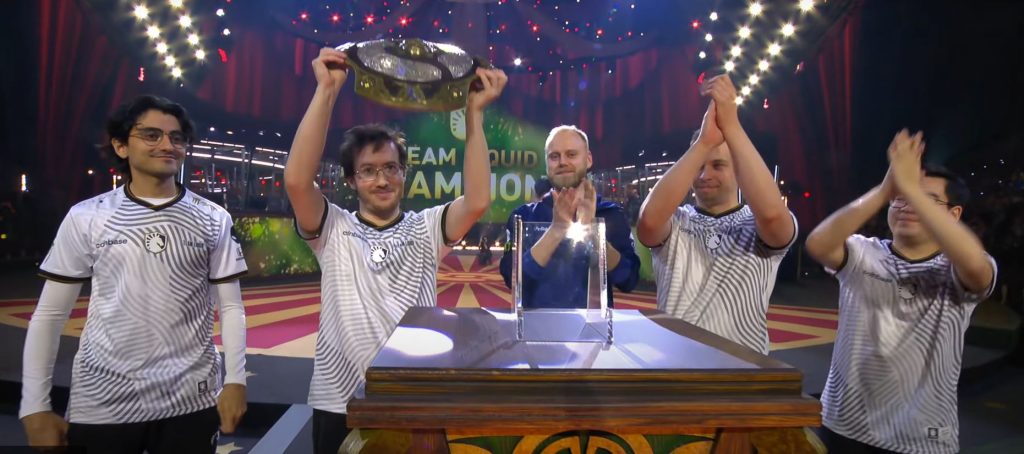
Dota 2 takes a different approach. While it lacks the volume of organized leagues, it has The International—a single annual tournament with enormous prize pools, often exceeding $30 million, largely crowdfunded by the community. Though Dota’s esports calendar is less regular, its top event is unmatched in financial scale. For viewers seeking structure and frequent content, League leads. For high-stakes drama and raw skill displays, Dota delivers.
Monetization
Both games are free-to-play, but their monetization strategies differ. League of Legends sells skins, passes, and cosmetic content at scale. It’s built around frequent champion releases and constant visual updates. Riot is aggressive in marketing and collaborations, with events that span across music, animation, and fashion.
Dota 2 relies more on community-created cosmetics and the annual Battle Pass, especially during The International season. It features fewer updates but often more impactful ones. Valve takes a more hands-off approach to engagement, which appeals to players who prefer minimal interference but can feel like a lack of communication at times.
Community and Culture
League’s massive player base ensures diverse perspectives, but also includes higher levels of toxicity and inconsistency in matchmaking. Riot has implemented various systems to combat disruptive behavior, though with mixed success.
Dota’s community is smaller but deeply involved. It’s often regarded as more competitive and serious, which can be both a strength and a deterrent. While toxicity exists in both games, Dota’s higher mechanical expectations sometimes translate to less tolerance for mistakes.
So—Which One Wins?
So in the battle of Dota 2 vs League of Legends who wins? That depends entirely on what you value as a player.
If you’re looking for a smooth learning curve, a huge player base, and frequent content drops, League of Legends is the better choice. It’s easier to get into, widely supported across regions, and offers a more accessible experience from start to finish.
If you want mechanical complexity, strategic depth, and a sense of mastery earned through effort, Dota 2 might suit you more. It’s less forgiving, but more open-ended. No match plays out the same way twice, and the feeling of pulling off a high-level play is rarely matched elsewhere.
Ultimately, there is no universal winner. League offers consistency, scale, and polish. Dota offers freedom, intricacy, and spectacle. Both are remarkable games that have shaped modern competitive gaming—and both deserve their place at the top.