

Dota 2 is known for its competitive gameplay, but it also boasts a vibrant in-game economy built around cosmetic items. Many players have inventories filled with skins, couriers, and other collectibles—some of which can be surprisingly valuable. Whether you’re curious about how much your collection is worth, looking to trade, or thinking about selling items, understanding your Dota 2 inventory value is a useful skill.
This beginner-friendly guide will walk you through how Dota 2 inventory value works, how to check it, and what factors affect item pricing.
What Is Dota 2 Inventory Value?
Your inventory value refers to the total real-world estimated worth of all the items in your Dota 2 inventory. This includes:
- Hero skins and outfits;
- Couriers;
- Wards;
- Loading screens;
- Terrain and HUD mods;
- Music packs;
- Treasure chests and more.
Each item’s value is based on supply, demand, rarity, and condition. While Valve does not display this value in-game, third-party estimation tools can scan your inventory and provide a rough idea of what it might be worth on the Steam Market or through community trades.
Why Should You Know Your Inventory’s Value?
Here are a few key reasons:
- To prevent loss: Some rare cosmetics can be worth hundreds or even thousands of dollars. Knowing the value can help you avoid getting scammed or trading them for less.
- To trade smarter: When exchanging items, knowing their value helps ensure a fair deal.
- To consider selling: If you’re interested in converting in-game items to Steam Wallet funds or cash via third-party systems, understanding the value is essential.
- To boost account security: Valuable inventories can be a target for phishing or scams, so awareness is your first line of defense.
Step-by-Step: How to View and Prepare Your Inventory
Before estimating your inventory’s value, make sure it’s accessible for tools that analyze item data.
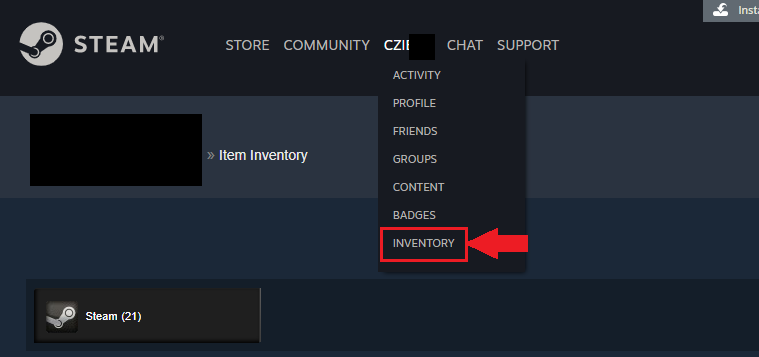
1. Open your Steam account and go to your profile.
2. Click on “Inventory.”
3. If needed, change your inventory privacy to “Public” via Profile > Privacy Settings.
Once that’s done, your inventory can be scanned by external tools that analyze item prices and trends.
How Inventory Value Is Estimated
Inventory value estimation is based on:
- Market prices: These are taken from item listings on the Steam Community Market and other marketplaces.
- Trading activity: Prices may reflect how frequently certain items are traded or how difficult they are to obtain.
- Historical trends: Items that were available only for a limited time often gain value as they become rarer.
- Current popularity: Skins for popular heroes or new cosmetics tend to hold higher value.
Most tools calculate your total inventory value and also break down the price of each individual item. Keep in mind, prices fluctuate constantly due to updates, sales, and changes in player demand.
What Affects an Item’s Value?
Not all cosmetics are priced equally. The following factors can significantly influence how much an item is worth:
1. Rarity
Items are often categorized into tiers: Common, Uncommon, Rare, Mythical, Immortal, Arcana, and so on. Higher-tier items generally have greater value.
2. Release Date and Availability
Items that were only available during specific events, battle passes, or promotions tend to appreciate over time due to limited supply.
3. Visual Appeal and Effects
Items with unique particle effects, custom animations, or voice lines are generally more desirable.
4. Demand and Hero Popularity
Skins for heroes that are popular in both casual and pro play—like Pudge, Juggernaut, or Phantom Assassin—often fetch higher prices.
5. Tradability
Some items may be non-marketable or non-tradeable (gifted or tied to accounts), which can impact value, especially in trade-based pricing tools.
How Accurate Are Inventory Estimates?
While item values are calculated using real-world data, you should treat inventory valuations as estimates—not exact numbers. Several reasons for variance include:
- Prices fluctuate daily based on supply and demand.
- Some rare items are traded off-market, so their prices may not be updated or visible.
- Tools may not account for condition-specific factors like special gems, autographs, or combinations that increase collector value.
If you’re preparing to sell or trade high-value items, it’s a good idea to cross-check multiple sources or consult trading communities for more accurate evaluations.
Tips for Beginners
If you’re new to item trading or just want to keep your inventory organized and secure, here are some beginner tips:
- Do your research before trading. Knowing your item’s rarity and market trends helps avoid bad deals.
- Don’t rush to sell. Some items appreciate in value over time, especially after they’re no longer available.
- Enable Steam Guard and two-factor authentication to protect your account.
- Avoid clicking on suspicious trade links. Always verify the identity of the person you’re trading with.
- Track your inventory periodically. Prices change over time, and an item that was once worth a few cents could be valuable later on.
While many players collect items for fun, others treat their Dota 2 inventory as a digital investment. Rare cosmetics can gain value over time, especially if they’re tied to memorable events or discontinued promotions.
However, investing in digital items is not without risks. Market volatility, policy changes by Valve, and item oversaturation can all affect value. It’s important to view your inventory primarily as a collection for enjoyment, with any financial value being a bonus.
Checking your Dota 2 inventory value isn’t just for traders or pros. It’s a great way for casual players to understand what they own, how rare their items are, and how to protect them. With just a bit of effort and awareness, you can manage your digital collection more wisely and maybe even find out that you’re sitting on a small treasure trove of virtual gear.

